

Passive Fire Protection System
Advanced structural safeguards and containment solutions designed to prevent the spread of fire, smoke, and heat in industrial and commercial environments.
What is a Passive Fire Protection System?
While active systems like sprinklers work to extinguish a fire, Passive Fire Protection (PFP) is built into the very fabric of a building. It is a critical component of structural fire safety designed to contain a fire at its origin. By compartmentalizing a building using fire-resistance-rated walls, floors, and specialized seals, PFP systems limit the spread of fire and toxic gases. This provides vital extra time for occupants to evacuate and for emergency services to respond, ultimately protecting the building’s structural integrity.

Types of Passive Fire Protection
1. Fire Rated Doors
These are heavy-duty door assemblies tested to withstand fire for specific periods, such as 60, 90, or 120 minutes. They are essential for protecting exit routes like stairwells and corridors.
Key Feature: Heat-activated seals that expand to block smoke and flames.
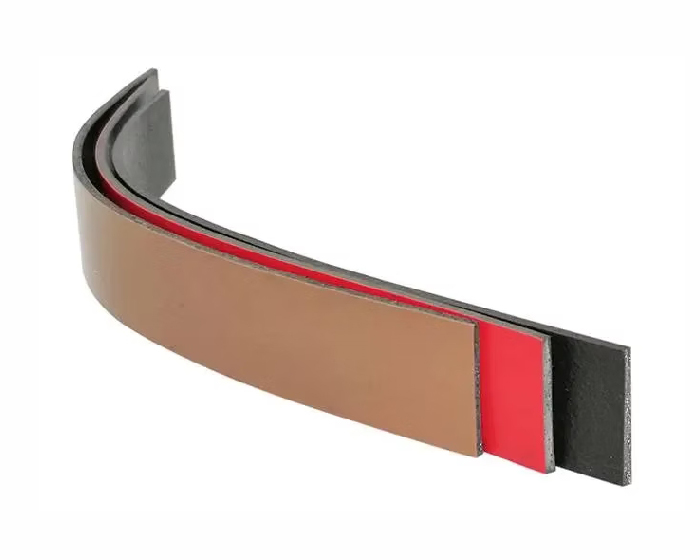
2. Fire Barriers and Curtains
Flexible or rigid barriers used to create fire-resistant separations in large open spaces like warehouses or ceiling voids. These help contain heat and smoke within a specific zone.
Key Feature: High-thermal resistance for large-scale industrial separation.
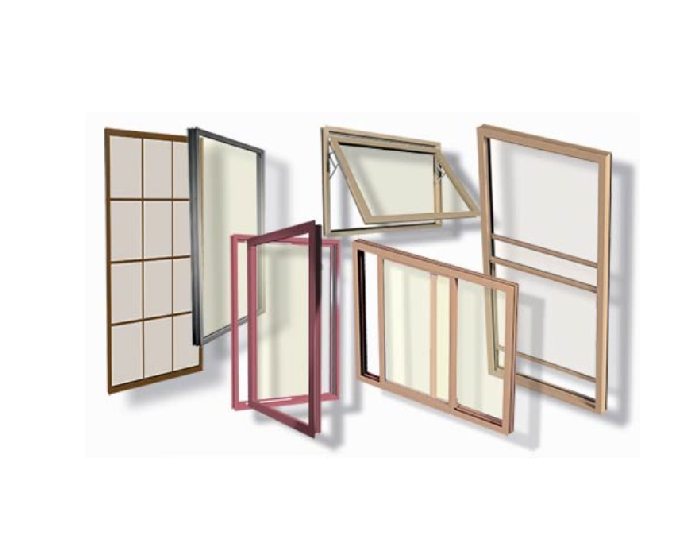
3. Fire Rated Glazing
Specially engineered fire-resistant glass that provides transparency while maintaining a fire barrier. It is used in partitions and doors where visibility and safety are both required.
Key Feature: Integrity and insulation properties that block radiant heat.
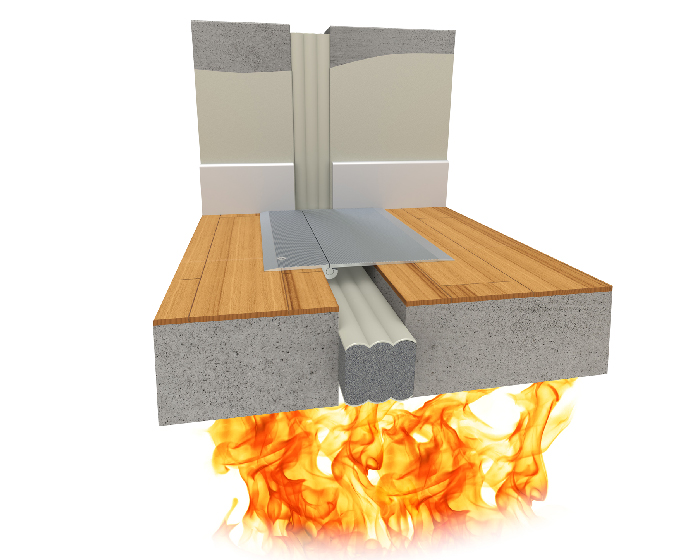
4. Fire Seals and Joint Systems
Used to seal the gaps in “linear joints” between walls, floors, and head-of-wall connections. These seals move with the building but remain intact during a fire.
Key Feature: Intumescent materials that swell when heated to create an airtight fire seal.
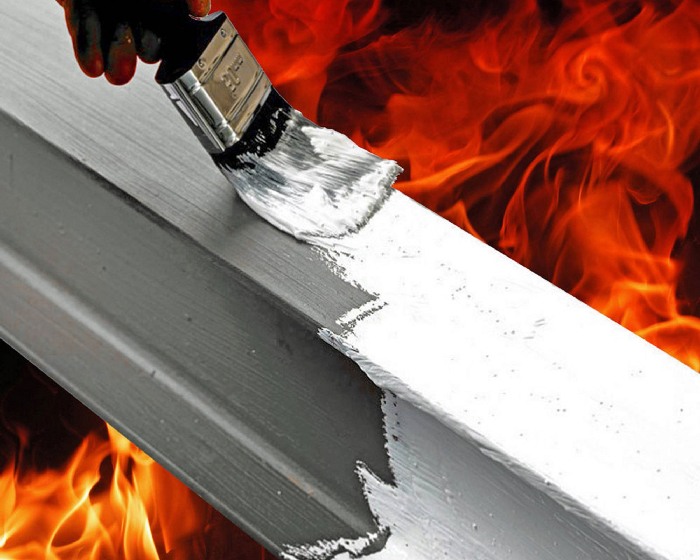
5. Fire Resistant Coating (Intumescent Painting)
Specialized coatings applied to structural steel or timber. In the event of a fire, these coatings undergo a chemical reaction and expand to form an insulating layer of char.
Key Feature: Protects the structural integrity of steel beams to prevent building collapse during high-heat exposure.
Key Applications
Technoz Industries provides PFP solutions tailored for high-risk and high-occupancy environments:
- Industrial Manufacturing:
Protecting chemical storage and processing zones. - Commercial Complexes:
Fire-rating for shopping malls, office towers, and hotels. - Infrastructure Projects:
Safety systems for airports, metro stations, and power plants. - Warehousing:
Preventing fire spread across high-density storage racks. - Healthcare Facilities:
Ensuring safe “defend-in-place” zones for hospitals.
Why Choose Our Passive Protection?
- Certified Compliance:
All products meet rigorous fire safety standards and local building codes. - Custom Engineering:
We analyze your site blueprints to identify every potential fire leak. - Industrial Durability:
Materials selected to withstand the tough conditions of industrial sites. - Seamless Integration:
Our PFP systems work in perfect sync with your existing alarm and sprinkler systems.